هاتف : 0086-592-5097292
Whatsapp : +8618059296519
بريد إلكتروني : sales@ecowaysteel.com


In recent years, the global sanitary ware industry has been undergoing a profound transformation. As consumer demands for quality of life continue to rise, alongside the growing adoption of green building and smart home concepts, the faucet—a traditional sanitary ware component—is gradually shifting from a "functional accessory" to a "core expression of quality living."
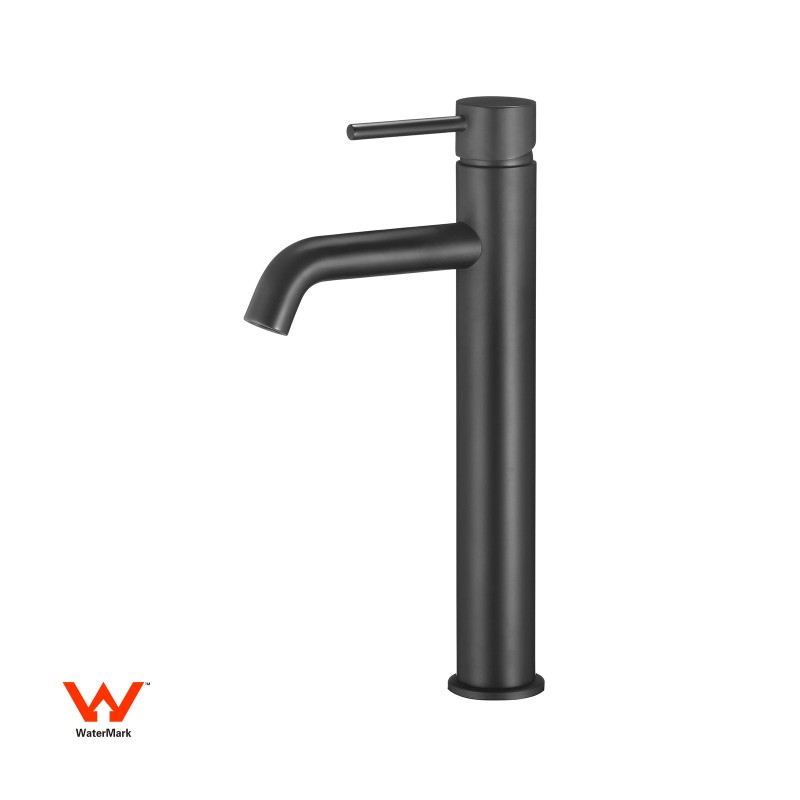
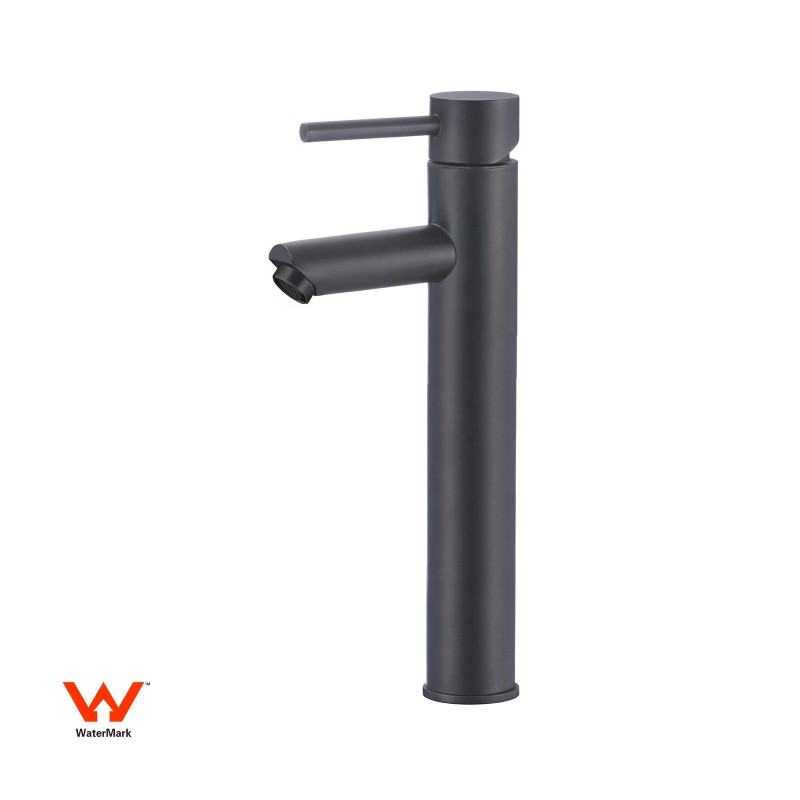
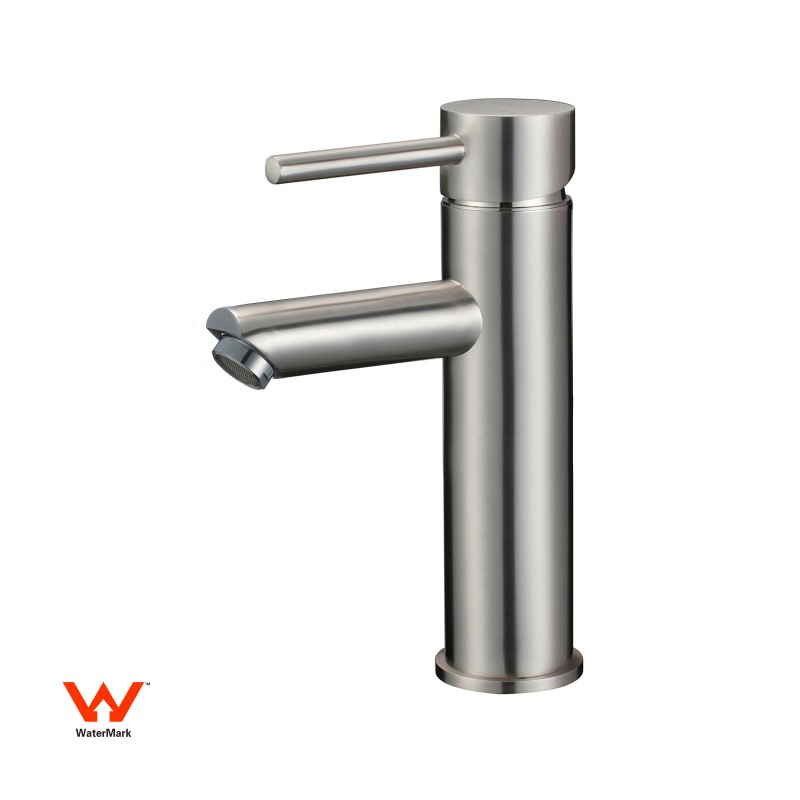
In mature markets such as North America, Europe, and Australia, consumer concern over water quality continues to escalate. The adoption of low-lead and lead-free copper materials has shifted from a "value-added feature" to a "market entry requirement." International certifications such as NSF, CUPC, CE, and WATERMARK ,they have become essential endorsements of consumer trust.
Industry data shows that faucets made from low-lead copper, lead-free copper, and food-grade 304 stainless steel are experiencing demand growth rates in European and American markets that far exceed those of traditional products. Consumers are no longer satisfied with simply "getting water from the tap"—they demand that heavy metal leaching be eliminated at the source to ensure the safety of every drop.
Meanwhile, antibacterial technology is emerging as a new differentiator. By incorporating antimicrobial components into surface coatings or cartridge materials, faucets can effectively inhibit bacterial growth—a feature that is particularly in demand in medical facilities, educational institutions, and spaces designed for families with young children.
The wave of smart home technology is reshaping how we interact with bathroom spaces. In commercial and public sectors, sensor faucets have become standard fixtures in hotels, airports, and office buildings due to their water-saving, hygienic, and touch-free advantages. In the residential market, touch-activated and voice-controlled faucets, along with smart products featuring temperature memory and precision flow control, are gradually penetrating from high-end homes into the broader consumer market.
Against the backdrop of global "carbon neutrality" and sustainable development goals, water efficiency has become a core competitive advantage for faucet products. Environmental certifications such as the U.S. WaterSense label and Europe's Class A water efficiency standards are increasingly influencing purchasing decisions.
Through aerator optimization, flow restrictor integration, and air injection technology, mainstream faucet products today can achieve flow rates in 1.5–1.8 liters per minute while maintaining a comfortable washing experience. For commercial projects, water conservation not only fulfills environmental responsibility but also translates directly into reduced operating costs.
Aesthetic demands in bathroom spaces are showing unprecedented diversity. Different styles—minimalist Nordic, industrial, retro luxury—are developing in parallel, placing higher demands on faucet and surface finishing.
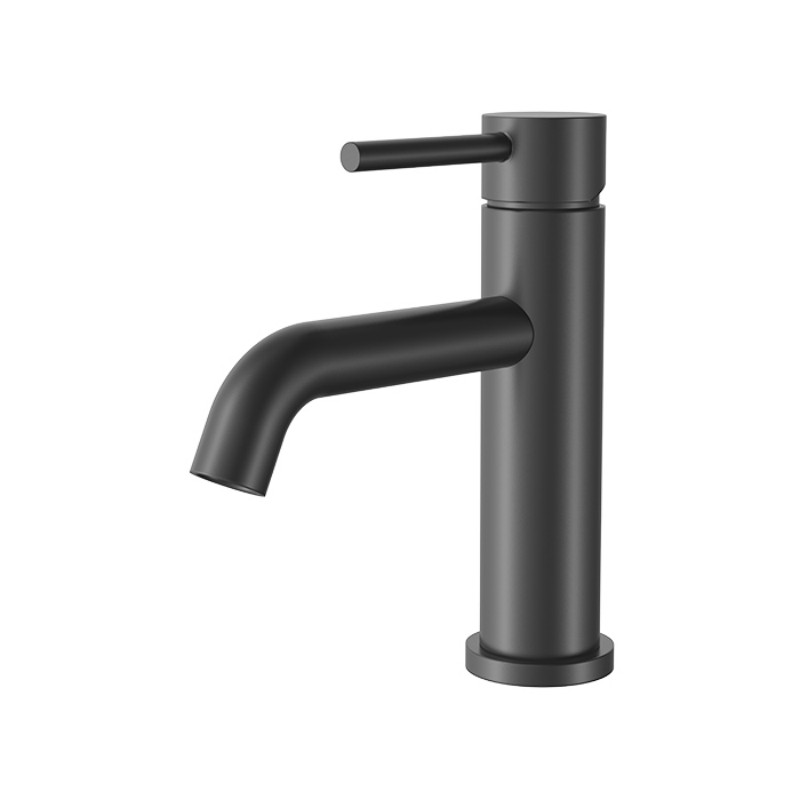
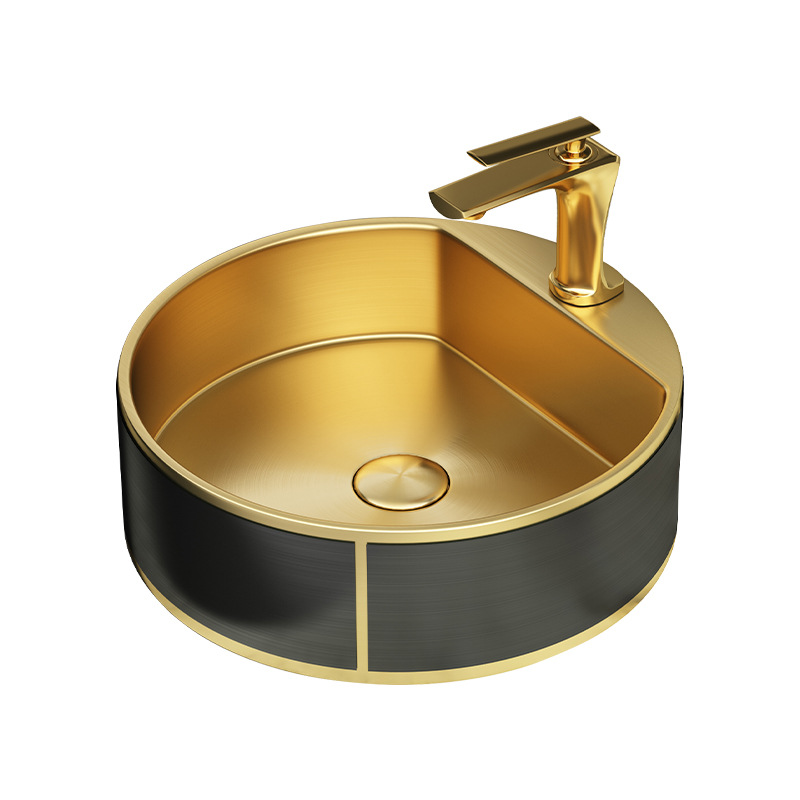
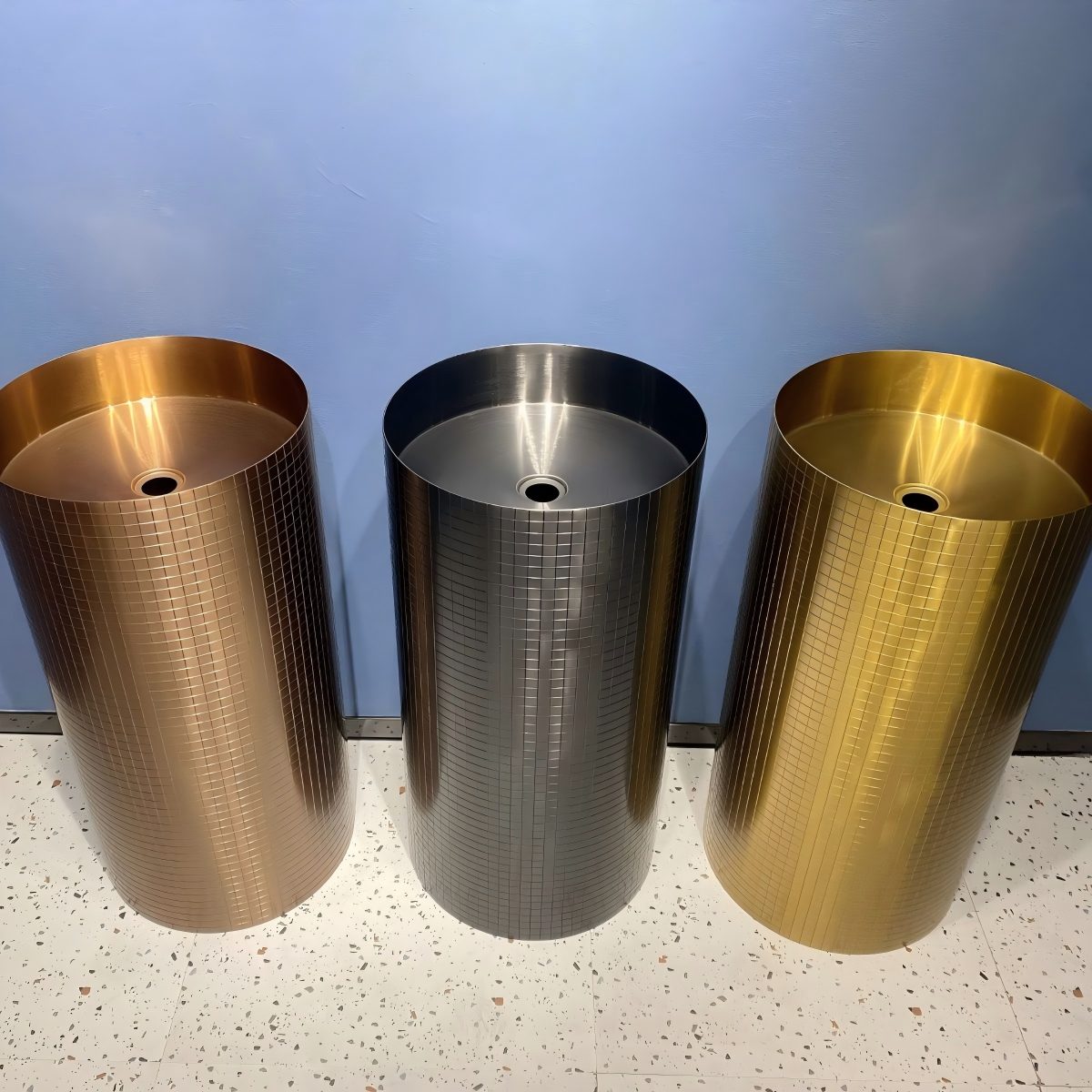
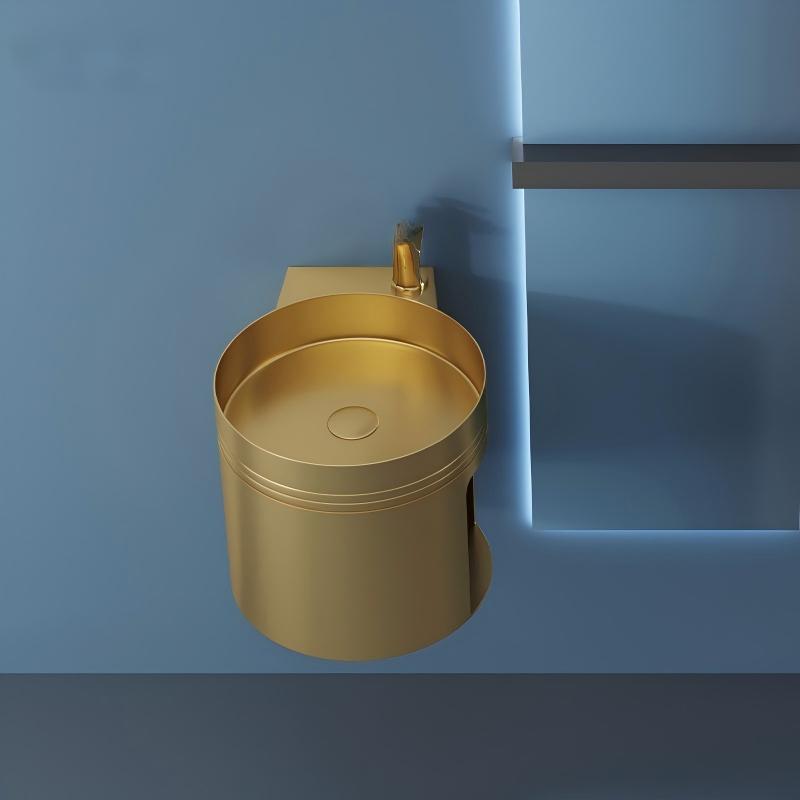
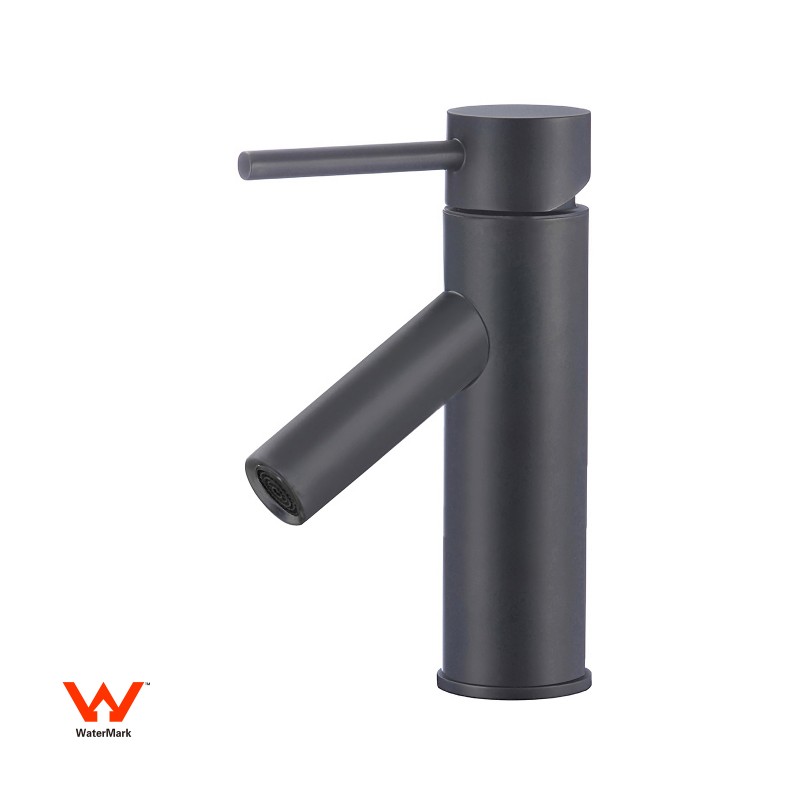
In terms of surface finishes, traditional chrome remains mainstream, but colors such as matte black, gunmetal grey, brushed gold, and PVD rose gold are rapidly gaining popularity. These colors not only give products a unique visual identity but also meet designers' needs for precise coordination with overall spatial aesthetics.
Meanwhile, design techniques such as thin-edge craftsmanship, geometric shapes, and concealed installation are elevating faucets from mere "water delivery tools" to "signature elements" that define bathroom spaces.
For foreign trade buyers, standardized finished products are increasingly insufficient to meet the demands of differentiated markets. ODM/OEM customization capabilities have become a core criterion for evaluating suppliers.
From appearance design, surface finishes, and logo branding to packaging solutions and functional modules, flexible customization runs through every stage of product development. Manufacturers with rapid prototyping capabilities, mold development expertise, and flexible production scheduling can provide stronger product differentiation support to their partners in fiercely competitive markets, helping clients establish unique brand identities in their local markets.
The faucet—a seemingly simple sanitary ware product—is undergoing a value transformation from "functional component" to "core element." Healthy materials, smart technology, water conservation, design aesthetics, and flexible customization—these five major trends together outline the future blueprint for the industry.
<span style="--un-rotate: 0; --un-rotate-x: 0; --un-rotate-y: 0; --un-rotate-z: 0; --un-scale-x: 1; --un-sc


ROOM 1901-6 Haiguang Bldg. No. 33, Shuixian Rd., Siming, Xiamen China 361001
 شبكة IPv6 مدعومة